01
You want scriptable sub-GHz experiments
YARD Stick OneA USB transceiver used with RfCat. It supports specific bands and half-duplex operation, not arbitrary wideband SDR capture.
Listed by makerBuy
Compare a scriptable USB transceiver, a multi-protocol board and a standalone LoRa pager.
01
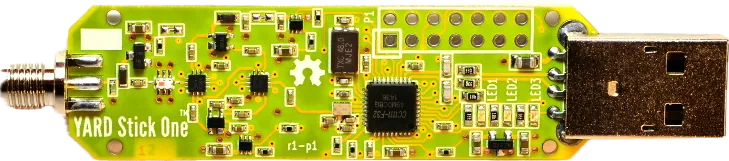
A USB transceiver used with RfCat. It supports specific bands and half-duplex operation, not arbitrary wideband SDR capture.
02
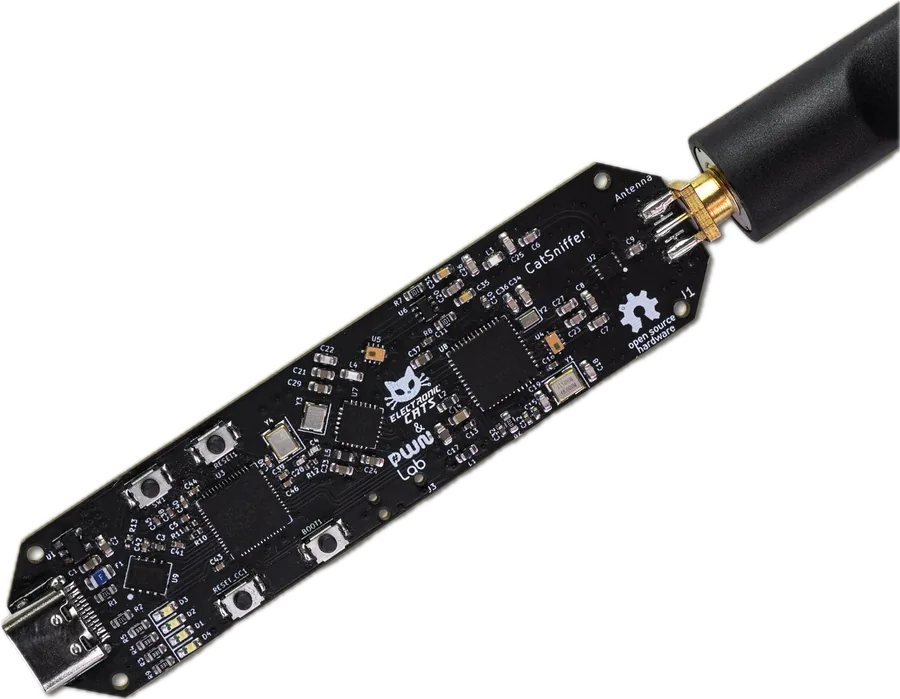
A USB board with CC1352P7 and SX1262 radios. Select and flash protocol-specific firmware.
03
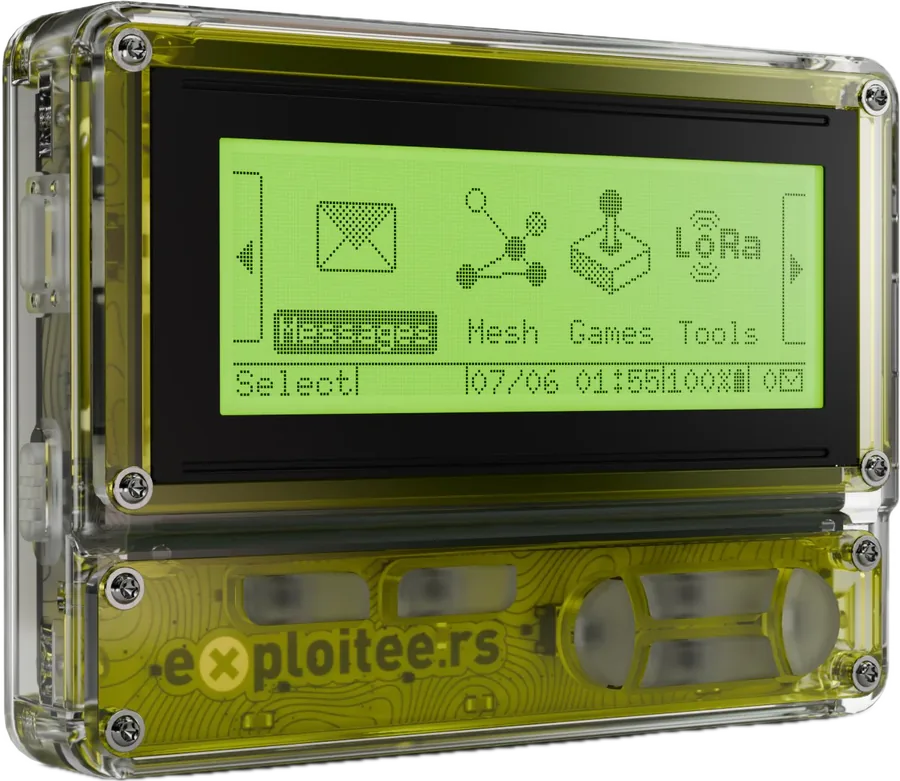
A standalone pager with LoRa capture tools and microSD. The maker listing was sold out at review.
Hardware and software support are taken from linked primary sources. Range and capture reliability have not been field tested here.
Progress saved in this browser.
0 of 3 steps complete
Use a device you own with a documented band and protocol. Check that the receiver and firmware support that specific combination.
YARD Stick One maker resources ↗Follow the project’s instructions for the exact board revision. A multi-radio board does not run every protocol at the same time.
CatSniffer v3 maker resources ↗Trigger a simple event on your test device. Save a short capture and record the hardware, firmware and settings beside it.
The Hacker Pager maker resources ↗